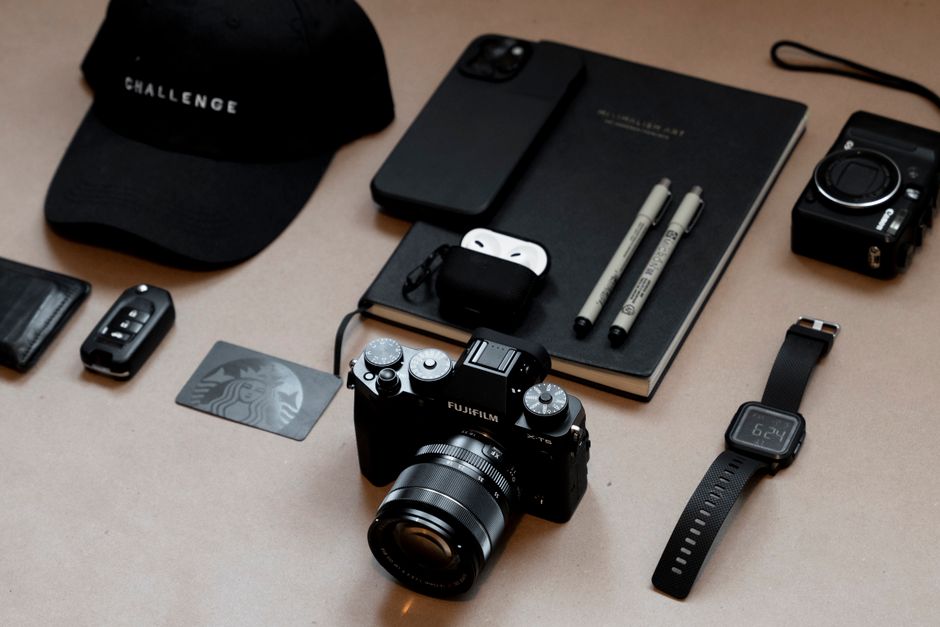
On an ordinary weekday, the freelancer sits at their desk, notebook open, staring at a series of tasks that need attention. As they prepare for a focused work session, the clutter on the desk—sticky notes, a half-finished coffee cup, and scattered pens—hinders the flow of thought. This setup doesn’t align with the task sequence they need to tackle, creating a barrier to productivity.
In this moment of desk planning, the freelancer realizes that the next useful action is buried under this setup clutter. They know that a simple check—muting notifications—could help reduce distractions, yet it often gets overlooked. Instead of diving into the tasks, they find themselves caught in a cycle of task switching, where each glance at the disorganized surface pulls them away from their intended focus.
The Expected Study Routine That Fizzles Out
The sight of a half-opened laptop, with notifications buzzing in the corner, adds to the chaos, making it easy to lose track of the top three tasks that need attention.
Before beginning a focused work session, the freelancer should take a moment to rewrite the top three tasks in their notebook. This simple act not only clarifies priorities but also serves as a tangible reminder of what needs to be accomplished. As they jot down these tasks, they can also mute the notification window on their laptop—an often overlooked but crucial step to minimize distractions. The act of muting notifications creates a more conducive environment, allowing them to focus solely on the tasks at hand.
In this setup, desk planning becomes a ritual rather than a chore. The freelancer needs to ensure that the desk surface aligns with the task sequence they need to tackle. When everything is in its place, the freelancer can dive into their work without the friction of searching for materials or getting sidetracked by the clutter. Yet, if the desk remains disorganized, the anticipated productivity fizzles out, leaving them caught in a loop of task switching and frustration.
Where the Routine Starts to Falter
During a typical weekday, the freelancer sits down at their cluttered desk, ready to tackle the day’s tasks. However, the task notebook, which should be front and center, is obscured by a stack of papers and miscellaneous items. This clutter not only makes it difficult to see the top three priorities but also creates a sense of overwhelm.
As the minutes tick by, the calendar block for focused work looms ahead, but the desk setup feels chaotic. This disorganization is the first visible sign of drift, where the intention to work gets lost in the noise of unimportant tasks. The freelancer realizes that without a clear view of what needs to be done, they are stuck in a cycle of task switching, unable to make meaningful progress.
To break this cycle, a small but effective adjustment is needed. The freelancer can take a moment to clear the desk surface, placing the task notebook on top and muting the notification window on their laptop. By ensuring that the desk matches the intended workflow, they can move from setup clutter to a productive work session, ready to engage with the tasks that truly matter.
If this pattern keeps repeating, Focus Without Burnout extends the idea without leaving the niche.
Why This Breakdown Happens Repeatedly
During a short planning reset, the freelancer notices the task notebook buried under a pile of papers and open tabs on their laptop. The clutter creates a barrier, making it difficult to focus on the next actionable step. As notifications ping from the muted window, the temptation to switch tasks grows, leading to a familiar cycle of indecision and distraction.
- Visual clutter on the desk obscures the top three priorities, making it hard to see what needs immediate attention.
- With notifications vying for attention, the freelancer finds themselves jumping between emails and tasks, which only fragments their focus.
- The absence of a clearly defined priority list in the task notebook leaves them unsure of where to start, creating a sense of overwhelm.
This hidden cause of clutter, combined with the ordinary constraint of limited time, means that the freelancer often feels stuck. The next useful action remains buried under this setup clutter, preventing meaningful progress.
An Effective Correction to Tackle Clutter
During a typical weekday, the freelancer sits at their desk, surrounded by a mix of opened notebooks and scattered papers. The clutter not only occupies physical space but also creates mental noise, making it hard to pinpoint the next actionable step. This focused display helps in visualizing priorities and reduces the overwhelming sensation of choice. The task notebook, typically filled with numerous items, now only shows the most pressing three, allowing for a clearer path forward.
Next, they should ensure that notifications are muted on their devices. With a single muted notification window open, distractions from emails or messages are minimized, creating a more conducive environment for focused work. Setting a timer for a dedicated work block—say, 25 minutes—can also help maintain engagement. This small adjustment transforms the desk planning phase into a more purposeful activity, as the freelancer can now dive into the first task without the clutter of notifications or unnecessary paperwork. By implementing this sequence, the next useful action becomes visible and achievable, leading to a productive work session.
Quick Checkpoint to Prevent Drift
A cluttered workspace can easily lead to distractions, especially when your attention is already split between tasks. Remove any unnecessary items—papers, snacks, or even that coffee cup from yesterday. This simple act creates a physical space that mirrors the mental clarity you need.
Next, ensure your task notebook is open to the current page, displaying only the top three tasks that require your attention. This focused display helps in visualizing priorities and reduces the overwhelming sensation of choice. If your notebook is tucked away or closed, the next useful action can easily get buried under the clutter of thoughts and to-dos. With the tasks visible, you can quickly assess what needs to be tackled first.
As a quick check, make sure to mute notifications on your devices. With only one muted notification window open, distractions from emails or messages are minimized, allowing you to stay in the zone. This sequence—clearing the desk, opening the task notebook, and muting notifications—sets the stage for an effective work session. Each step reinforces your commitment to focus, ensuring that the next useful action is not just visible but also easily actionable.
What Becomes Easier After the Correction
A slightly different version of this problem appears in Managing Energy Not Time, where the sequence changes but the hidden drag feels familiar.
With the desk cleared and the task notebook open to the top three priorities, diving into the next task becomes a straightforward action. This shift not only streamlines your approach but also enhances your ability to concentrate, as the distractions around you are minimized. For instance, if your email inbox is closed and notifications are muted, the temptation to check messages fades, allowing your mind to settle on the task at hand.
During a typical weekday work session, the difference is palpable. The first step is to place your notebook directly in front of your computer screen, ensuring it’s the first thing you see when you sit down. This simple adjustment keeps your focus aligned with your goals, reducing the chances of task switching that can derail your progress.
As you settle into this more organized workflow, you’ll notice that the next time block feels more productive. The sequence of actions—clearing the desk, muting notifications, and placing your task notebook front and center—creates a rhythm that supports sustained focus.
When the desk surface is cluttered, the sequence of tasks can quickly become muddled. For instance, if your task notebook is buried under a stack of papers, it’s easy to overlook the top three tasks you planned to tackle. This misalignment not only disrupts your workflow but also drains your focus, making it harder to engage with the work that truly matters.
Place your notebook in a prominent position, ensuring it’s the first thing you see when you sit down. By doing this, you create a direct line of sight to your priorities, reducing the chance of getting sidetracked. Next time you prepare for a focused session, check that your workspace is set up to support your goals, and remember to mute any notifications that might pull your attention away.