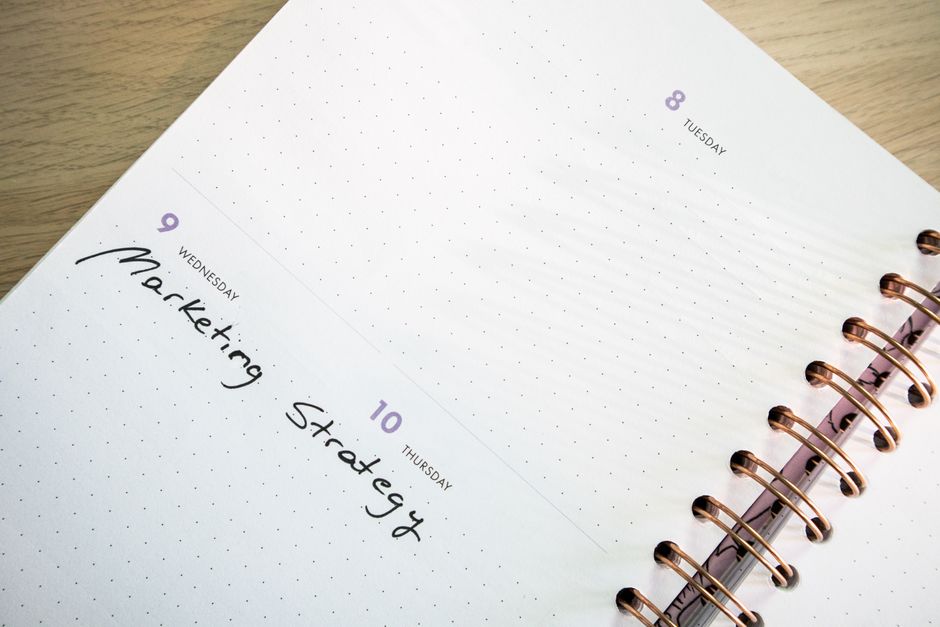
It's a Wednesday afternoon, and the office is buzzing with the usual distractions. You sit at your desk, staring at a calendar block marked for a focused work session. You’ve mentally prepared for this moment, but as you open your browser, the familiar Slack notifications start popping up in the corner of your screen. What looks like a simple task quickly reveals its complexity as you realize that every interruption steals precious minutes from your focus.
As you attempt to regain your momentum, a reminder popup flashes, stealing the next ten minutes of your time. You toggle between tabs, trying to manage your attention while wrestling with the urge to respond to those messages. The friction of task switching becomes apparent; the effort to refocus after each distraction adds up, and suddenly, the work session feels less productive than intended. You start to wonder how to better shield your focus from these interruptions, knowing that the clock is ticking and your time is limited.
The Overlooked Planning Reset
Before diving in, you take a crucial step: silencing notifications across your devices. With a few clicks, the familiar pings and dings are muted, but you know that merely silencing isn’t enough. You glance at the clutter on your desk—papers strewn about, an empty coffee cup, and a to-do list waiting for attention.
As you prepare to open a new browser tab, the friction of task switching becomes apparent. Just as you start to type, a Slack notification pops up, teasing you with a brief glimpse of a colleague's message. You resist the urge to check it, knowing that even a moment of distraction can derail your focus. This small action acts as a visual barrier, reinforcing your commitment to stay on task. Yet, as the clock ticks, you can’t shake the feeling that the next ten minutes could easily slip away if you don’t stay vigilant against these interruptions. The First Distraction That Breaks Focus As you settle into your desk, the calendar block for your deep work session looms large on your screen. Yet, just as you begin typing, a bright email notification flashes at the corner of your browser tab row, pulling your gaze away. You think, "It’s just one quick check," and before you know it, you’ve clicked on the notification, diving into your inbox. That decision to switch tasks, however small it seems, instantly derails the momentum you had built.
In the time it takes to read a single email, you lose sight of your original goal. The reminder popup steals the next ten minutes as you find yourself scrolling through messages instead of studying. Each glance at the screen shifts your focus further away from the task at hand. You realize that task switching not only consumes time but also fragments your attention, making it harder to dive back into your work. To counter this, you decide to mute all notifications during your next session, placing a sticky note over the notification icons as a visual cue to resist the urge to check. This simple adjustment could help preserve your focus and keep those distractions at bay, but the momentary slip has already cost you valuable time. Why Task Switching Derails Productivity During a short planning reset, you glance at your browser tab row, where a Slack notification flashes. You’re trying to protect a focused work block, but the temptation to check that message pulls you in. The task of studying feels straightforward until you realize that switching to another task disrupts your flow.
Good intentions aren’t enough when the distractions are so readily available. You might think you can quickly respond to a message and return to your original task, but that’s rarely the case. To combat this, you decide to mute all notifications before your next session and place a sticky note over the notification icons as a visual reminder to stay focused. This small adjustment can help preserve your concentration, but the hidden tradeoff is that you need to consciously remind yourself to resist the urge to switch tasks, even when it feels manageable. Each moment spent distracted adds up, making it crucial to recognize how task switching can derail your productivity in subtle yet significant ways.
A Simple Adjustment to Protect Focus
During a typical weekday, you sit at your desk, ready to dive into a focused work block. The browser tab row is cluttered with open emails and Slack notifications, each one a potential distraction. You know that even a quick glance can derail your concentration, so you decide to implement a few specific adjustments.
- Set a timer for 25 minutes, marking the start of your focused work session. This creates a clear boundary that helps you commit to staying on task.
- Before starting, mute all notifications on your devices. A muted notification window can prevent those pesky pop-ups from stealing your attention.
- Place a sticky note over the notification icons on your screen, reminding you to resist the urge to check them until your timer goes off.
These small but deliberate actions can significantly reduce the risk of task switching. Each time you notice a reminder popup, you’ll remember the ten minutes it cost you last time. By taking these steps, you create a more conducive environment for deep work, but the challenge remains: maintaining that focus despite the temptation to switch tasks. Every moment counts, and staying committed to your plan is essential.
This same friction shows up again in Focus Without Burnout, especially when the day tightens unexpectedly.
How Adjustments Shape the Rest of the Day
If this pattern keeps repeating, Managing Energy Not Time extends the idea without leaving the niche.
During a typical weekday, the browser tab row is cluttered with open Slack channels and email threads, each vying for attention. When the decision is made to protect a focused work session, the immediate impact is often underestimated. By muting notifications and closing unnecessary tabs, the office worker can create a more streamlined environment.
As the timer ticks down on the calendar block, the worker notices an increase in efficiency. Each time a reminder popup is ignored, the worker feels a sense of accomplishment, reinforcing the decision to stay focused. This newfound efficiency translates into saved time, which can be redirected toward additional tasks without the usual stress of cramming everything into a tight schedule.
After the focused work session, there’s a tangible benefit: the worker can address other responsibilities that would have otherwise been sidelined. The time saved not only alleviates pressure but also allows for a more balanced approach to the day’s workload. However, the lingering temptation to check notifications remains a challenge, reminding the worker that maintaining this focus is an ongoing battle.
As the office worker closes the Slack tab, a sense of relief washes over them. Each time they resist the urge to check notifications, they reclaim precious minutes that would otherwise slip away into the vortex of task-switching. The browser tab row, now less cluttered, reflects a more focused mindset, allowing them to dive deeper into their work without the constant interruptions that previously derailed their concentration. This simple act of blocking distractions creates a more conducive environment for productivity.
Looking ahead, the worker sets a practical check: a muted notification window for the next calendar block. By doing this, they can focus entirely on the task at hand without the nagging temptation to glance at messages. Where studying with limited time becomes challenging is often in these moments of distraction; however, each decision to minimize interruptions leads to greater clarity and efficiency in their work.