It's 10:30 AM on a Tuesday, and the browser tab row is cluttered with open documents, emails, and reminders. Each time the calendar is checked, the focus shifts momentarily, but the urgency of the tasks ahead keeps the mind racing. Instead of diving into the most pressing project, the instinct is to jump between tabs, responding to emails and making quick notes on tasks that feel more manageable in the moment.
This split attention often leads to a critical oversight: the absence of a designated focus block on the calendar. Without that clear time set aside for studying, the day drifts into a series of task-switching moments where nothing truly gets accomplished. Recognizing this pattern is essential, as it highlights where productivity falters first during busy days, revealing a need for a more structured approach to time management.
A Study Routine That Should Work
The morning setup begins with a clear focus block scheduled on the calendar, ideally from 9:00 AM to 10:00 AM. With the calendar open, the intention is to prioritize the top three tasks for the day, ensuring that the most important items are front and center. This structured approach feels promising, but the reality often diverges sharply.
As the clock ticks closer to the start of the focus block, the urge to check emails and notifications pulls attention away from the planned work. The focus block, meant to be a dedicated time for studying, gets overshadowed by the immediate demands of incoming messages. The sequence of actions should have been straightforward: check the calendar, open the document, and begin writing.
Recognizing this pattern is crucial; the focus block gets lost in the shuffle, revealing a need for a more disciplined approach to managing time and attention. A simple adjustment, like placing a sticky note on the monitor to remind oneself to start the focus block, could help reinforce the commitment to studying. Without that, the day risks becoming a series of fragmented moments, where the most important work remains untouched.
Where the Routine Breaks First
During a typical weekday, a remote worker sits at their desk, surrounded by a clutter of browser tabs, each one vying for attention. The calendar sits open in a second window, reminders flashing like neon signs, but instead of guiding focus, they pull it in every direction. Each time the worker glances at the calendar, it feels like a procrastination tool rather than a roadmap for productivity.
Instead, the email tab expands, revealing a cascade of unread messages, each one a potential distraction. The first visible sign of drift occurs when the worker realizes they’ve spent fifteen minutes skimming through emails instead of starting the writing task. This task switching not only eats into the focus block but also disrupts the mental flow needed for deep work.
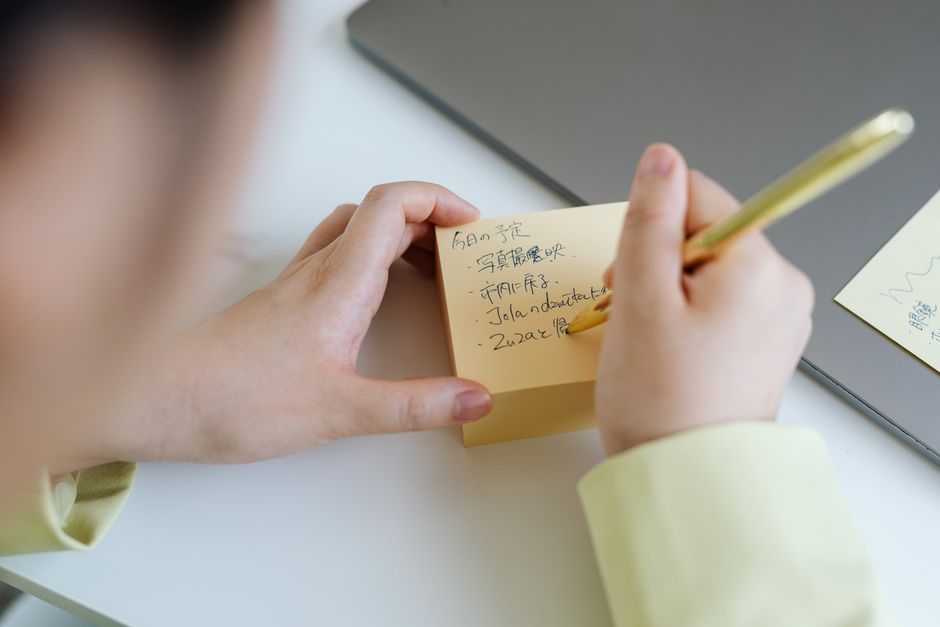
To counteract this drift, a small adjustment can make a significant difference. Before opening any tabs, the worker should write down the top three tasks on a sticky note and place it on the monitor. Additionally, checking the calendar should happen after the document is opened, not before, to eliminate the temptation to procrastinate. By establishing this sequence—open the document, then check the calendar—the worker can reclaim their focus and reduce the likelihood of slipping into task-switching chaos.
This same friction shows up again in Focus Without Burnout, especially when the day tightens unexpectedly.
A Small Correction That Makes a Big Difference
During a typical weekday, the browser tab row can quickly become a chaotic landscape. The initial plan to dive into writing is often derailed when the calendar is checked first, leading to a cascade of distractions.
To regain control, a simple yet effective adjustment can be made. Before opening any tabs, the worker should take a moment to write down the top three tasks on a sticky note and place it prominently on their monitor. This physical reminder serves as a clear focal point and helps eliminate the urge to switch tasks. Additionally, implementing a single focus block on the calendar before any tabs are opened can set the tone for the work session.
This shift in sequence is crucial: checking the calendar should occur after the document is opened. By prioritizing the task at hand, the worker not only minimizes the likelihood of wandering into other tabs but also reinforces a habit of focused attention. The sticky note acts as a tactile commitment, while the calendar block serves as a protective measure against the common pitfall of task switching. With this small correction, the worker can navigate the busy day with renewed clarity and purpose.
What Becomes Easier After the Correction
If this pattern keeps repeating, Managing Energy Not Time extends the idea without leaving the niche.
Instead of flitting between multiple tabs, the remote worker can dedicate the next time block solely to this task. This shift allows for deeper engagement with the material, as the mind is no longer cluttered by the distractions of email notifications or social media pings.
Desk planning plays a crucial role here. By placing the sticky note with the top three tasks directly in the line of sight, the worker has a constant visual reminder of what needs to be accomplished. This simple object becomes a touchstone for productivity, reducing the tendency to drift towards less important tasks. The calendar block, set for the first hour of the work session, now acts as a fortress against the usual interruptions.
As a result, less time is wasted on task switching. This adjustment not only enhances focus but also creates a smoother workflow, where each task seamlessly transitions into the next. The next time block feels different; it’s not just about checking off tasks but engaging deeply with the work at hand. The environment, once filled with distractions, now feels more purposeful, setting a positive tone for the rest of the day.
As the afternoon dip approaches, the tendency to check the calendar before diving into the next task can lead to a cascade of distractions. When the browser tab row is cluttered, it’s easy to lose sight of the top three tasks.
To counter this, a simple adjustment can be made: before the work session begins, take a moment to rewrite those top three tasks on a sticky note and place it on the monitor. This visual cue acts as a reminder to prioritize essential tasks, keeping the focus sharp and minimizing the urge to switch tabs. The next time you sit down, make it a point to check that note first—this small act can significantly streamline your workflow and ensure that studying with limited time remains effective and on track.