It's a Tuesday afternoon, and the cluttered desk is a battlefield of unfinished tasks. A calendar block for focused work looms ahead, but the task list has expanded beyond the allotted time. As I prepare to dive into the next deep-work session, the surface of my desk feels mismatched with the task sequence ahead. I glance at the muted notification window, a small victory in my attempt to shield my focus from distractions.
Yet, the friction becomes apparent as I realize that I haven't rewritten my top three tasks for the session. The initial simplicity of the upcoming work session fades as I confront the reality of task switching costs. Each task demands a different mental gear shift, and the clock ticks down, making it harder to maintain momentum. Without a clear plan, the calendar block risks becoming just another hour lost to scattered attention rather than a productive deep dive into focused studying.
The Task List That Grows Too Fast
My desk is a chaotic mix of scattered papers and an open laptop, the screen filled with unread emails that seem to multiply with every glance. The clock ticks toward my scheduled work session, but I can’t shake the feeling of being overwhelmed. The pressure mounts as I realize that my focus block is slipping away, and the task list has ballooned beyond what I can realistically manage.
With a quick glance at the muted notification window, I remind myself that distractions are kept at bay, but it’s not enough to quell the rising tide of anxiety. I should have rewritten my top three tasks before this session began, but instead, I find myself staring at a chaotic list that feels unmanageable. Each task demands a different mental shift, pulling me away from the deep work I had intended to accomplish. The simple act of switching gears between tasks becomes a friction point, draining my limited time even further.
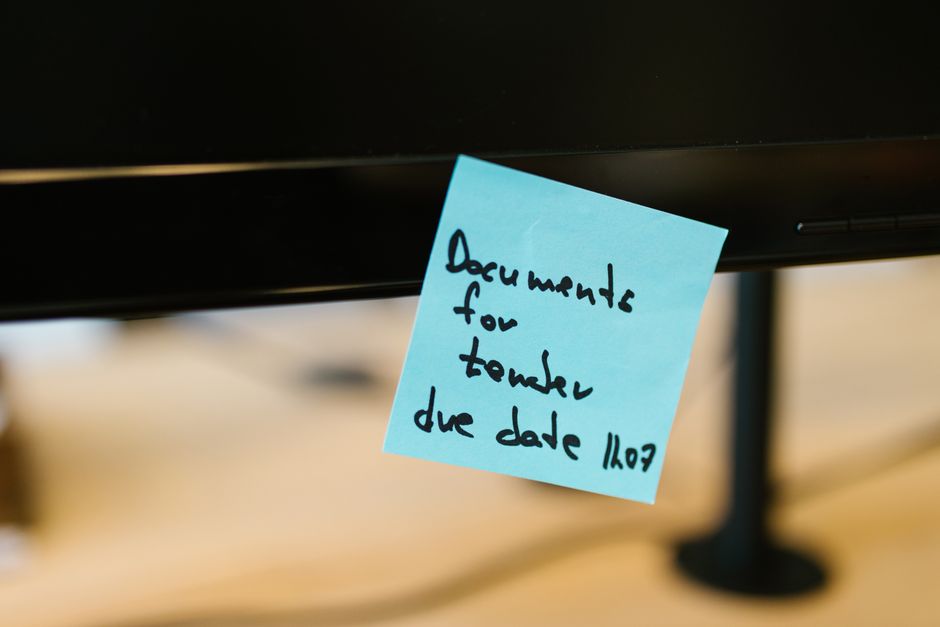
As I sit there, I realize I need to prioritize. I decide to take a moment to refocus my energy: I quickly jot down the three most critical tasks on a sticky note, placing it right next to my keyboard. This action, though small, serves as a visual anchor, reminding me of what truly needs to be accomplished during this fleeting hour. Yet, the clock continues to tick, and I can’t help but wonder if this session will yield the focused productivity I had hoped for or if it will dissolve into another hour lost to the chaos of an ever-expanding task list.
The Choice That Changes Everything
Staring at my calendar sidebar, I see a block labeled "Focus Work" looming ahead, yet my desk is cluttered with unopened reports and a flood of unread emails. The temptation to tackle the easiest task first—responding to emails—pulls at me. I can hear the ping of new messages, each one a siren call, promising quick wins and instant gratification.
However, as I click through the email threads, I lose precious minutes to task switching. The desk surface, cluttered with papers and devices, does not match the clarity required for the task at hand.
In a moment of clarity, I decide to rewrite my top three tasks on a sticky note, placing it prominently next to my keyboard. I close the email window, muting notifications to eliminate distractions.
A Better Order for the Same Five Minutes
A slightly different version of this problem appears in Managing Energy Not Time, where the sequence changes but the hidden drag feels familiar.
During a typical weekday, I find myself staring at my cluttered desk, where unopened reports and a sea of unread emails compete for my attention. The calendar sidebar shows a looming focus block, yet the chaos around me makes it hard to prioritize. This simple act of rewriting my priorities helps clarify my focus.
- Finalize the report
- Prepare the presentation slides
- Review team feedback
Next, I mute notifications on my computer, effectively cutting off the distractions that threaten to pull me back into the email vortex. This choice holds up better on a crowded day because it aligns with my focus block, allowing me to dive deep into the task without interruptions.
Revisiting the Result of Better Choices
If this pattern keeps repeating, Focus Without Burnout extends the idea without leaving the niche.
With my focus block approaching, I glance at my now-organized desk, where the clutter has been reduced to a few essential items. This simple act of decluttering has transformed my workspace into a more inviting environment, making it easier to dive into deep work.
Each paragraph flows more smoothly, and I find myself fully immersed in the task. The muted notifications from my computer create a serene atmosphere, allowing me to concentrate on the content rather than the constant ping of incoming emails.
I realize that by maintaining this practice of organizing my desk and muting distractions, I can consistently enhance my productivity. The next task, preparing presentation slides, feels less daunting now that I’ve established a routine. I know that by repeating these better choices—like keeping my desk clear and prioritizing focus blocks—I can create a workflow that supports deeper, uninterrupted work sessions. This ongoing commitment to small adjustments ensures that my time management remains effective, even on the busiest days.
When the task list exceeds the available time, the pressure can lead to a chaotic workspace. For instance, if the desk is cluttered with notes and the calendar shows back-to-back meetings, it’s easy to overlook the importance of a muted notification window. This small adjustment can create a buffer against distractions, allowing for deeper focus during a scheduled work session.
As you prepare for your next focus block, take a moment to rewrite the top three tasks on your list. This simple act not only clarifies your priorities but also helps in visualizing what needs immediate attention. Remember, managing your environment is just as crucial as managing your time; a well-organized desk can significantly reduce the friction of task switching.