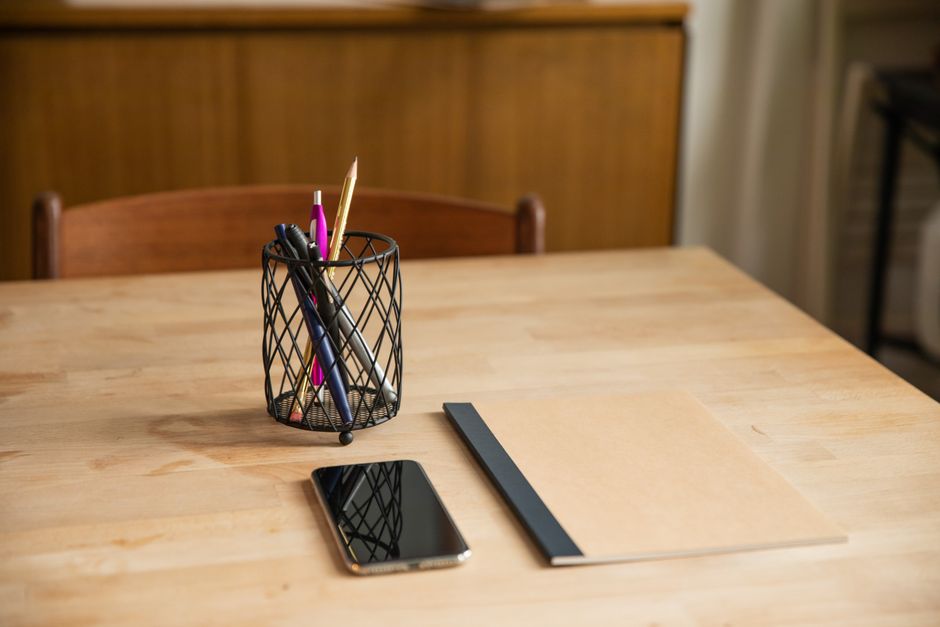
At the kitchen table, the laptop screen glows with a calendar sidebar filled with color-coded blocks, each representing a focus session for studying. The clock ticks past 10 AM, and a Slack notification chimes, pulling attention away from the task at hand. It feels like a simple matter of switching gears, yet the momentary distraction stretches into a ten-minute delay as thoughts shift from studying to responding to messages. This pattern of task-switching becomes familiar, where the intention to dive deep into a subject is often derailed by the ping of an incoming email or the allure of a quick chat.
With each interruption, the original focus block loses its momentum, and the time set aside for studying feels increasingly fragmented. The calendar blocks that once promised uninterrupted work now serve as reminders of what gets lost in the shuffle. This small adjustment could be the key to reclaiming those precious moments that slip away during busy weekday mornings.
The Default Method: Juggling Tasks and Interruptions
Sitting at the kitchen table, the laptop screen glows with a calendar sidebar full of color-coded blocks, each representing a focus session for studying. It’s an ordinary weekday morning, and the intention is clear: dive into the assigned readings for an upcoming exam. However, the moment the clock ticks past 10 AM, a Slack notification chimes, pulling attention away from the task at hand. What initially seems like a quick switch to respond to a message quickly spirals into a ten-minute delay as thoughts shift from studying to typing replies. This pattern of task-switching becomes all too familiar, where the intention to immerse in a subject is often derailed by the ping of an incoming email or the allure of a quick chat.
The task looks simple until the switching costs appear; each interruption chips away at the time set aside for studying, leaving it fragmented and unproductive. A reminder popup steals the next ten minutes, and the calendar blocks that once promised uninterrupted work now serve as reminders of what gets lost in the shuffle. Moving admin tasks to later in the day could reclaim those precious moments that slip away during busy weekday mornings, but the habit of juggling tasks remains a hard one to break.
Where the Default Fails: The Cost of Task Switching
Notifications from Slack or email can become a thief of time, especially during a focused work session at the kitchen table.
This constant task switching creates a significant cognitive load, making it increasingly difficult to retain information. Each time you shift your attention from reading to typing, the mental effort required to refocus compounds, leaving your mind cluttered. The work session that should have been dedicated to understanding a complex topic instead becomes fragmented, with bits of information slipping through the cracks. When the focus block is interrupted, it’s not just the time lost that matters; it’s the weakening of your ability to absorb and process what you were studying.
To mitigate this, consider moving admin tasks to later in the day. This simple adjustment can help maintain your focus and reduce the friction that arises from task switching, allowing you to reclaim those critical moments that would otherwise slip away.
If this pattern keeps repeating, Focus Without Burnout extends the idea without leaving the niche.
A Better Strategy: Structured Focus Blocks
Start by creating a visible task list on your kitchen table.
- Use your calendar sidebar to allocate specific focus blocks for uninterrupted study time. For example, set aside 30-minute increments where you can dive deeply into a complex topic without distractions.
- Place your task list in a prominent spot on your table, ensuring it’s the first thing you see when you sit down. This visual cue will help you resist the temptation to check Slack or email notifications.
- After each focus block, take a moment to assess your progress. Ask yourself if you need to adjust your task list based on what you accomplished or if a reminder popup stole ten minutes from your next session.
Instead of feeling scattered, you can maintain a clearer focus on your studies, making each session more effective. This small change in setup—prioritizing tasks and blocking time—can lead to significant improvements in your ability to absorb information.
Understanding the Tradeoff: Fewer Tasks, Deeper Focus
When you sit at your kitchen table, surrounded by the remnants of breakfast and a calendar sidebar filled with reminders, the temptation to squeeze in administrative tasks can be overwhelming. Each time you switch from studying to admin work, you risk losing focus, and that email can easily steal ten minutes or more from your next focus block.
Yes, it feels stressful to let those tasks pile up, especially when notifications from Slack or your email keep pinging. But the tradeoff is significant: fewer distractions mean deeper engagement with the material. Instead of skimming through a chapter while your mind wanders to pending tasks, you can immerse yourself in the subject matter, enhancing retention and understanding.
This visual cue keeps your focus sharp and helps you resist the urge to check off smaller, less important tasks. After your focus block, take a moment to evaluate what can wait until later. This small adjustment—moving admin tasks later—allows you to maximize your limited time without feeling scattered.
Checkpoint: What to Confirm Before Shifting Gears
Staring at your kitchen table cluttered with notebooks, a half-finished cup of coffee, and an open laptop can be overwhelming. Before diving into a new task, take a moment to ensure your notifications are muted. That simple action can save you from the disruptive ping of a Slack message or an email notification that steals your attention for ten minutes or more.
Close unnecessary tabs on your browser, and put away any items that might divert your focus. With a clean workspace, you can concentrate on the material at hand, rather than the clutter of pending administrative duties.
As you prepare to switch gears, check your visible task list. This should be a concise reminder of what needs to be tackled later, rather than a source of anxiety. Position it prominently on your desk or keep it open on your screen. By confirming these elements before you begin, you can transition smoothly into your next focus block, minimizing the risk of distractions and maximizing your limited time.
When That Alternative Fits Better
A slightly different version of this problem appears in Managing Energy Not Time, where the sequence changes but the hidden drag feels familiar.
Your calendar block is set for 30 minutes, but the reality of task-switching looms large. Each time you sit down, the familiar ping of Slack notifications pulls your attention away, often stealing ten minutes just to regain focus. This interruption highlights a crucial tradeoff: while quick admin tasks seem manageable, they often disrupt your workflow more than they help.
Instead of diving into those small tasks, consider moving them to a later time slot. Keep a visible task list on your desk, ideally on a sticky note or a digital app that’s open on your screen, to remind you of what needs attention later.
When you sit down for your next focus block, check that your task list is prioritized. A quick glance at your calendar sidebar can help you see what’s coming up next without diving into the details right away.
As you navigate your next focus block at the kitchen table, take a moment to glance at your visible task list. If you notice a small admin task lingering there, resist the urge to tackle it immediately. Instead, remind yourself that those quick tasks can derail your concentration, especially when you're already battling interruptions from notifications.
Next time you sit down, open your calendar sidebar and check what’s on your agenda. If there’s a gap later, mentally assign those small tasks to that time slot. Keep your workspace clear of distractions, and prioritize your attention on what truly matters in the moment.