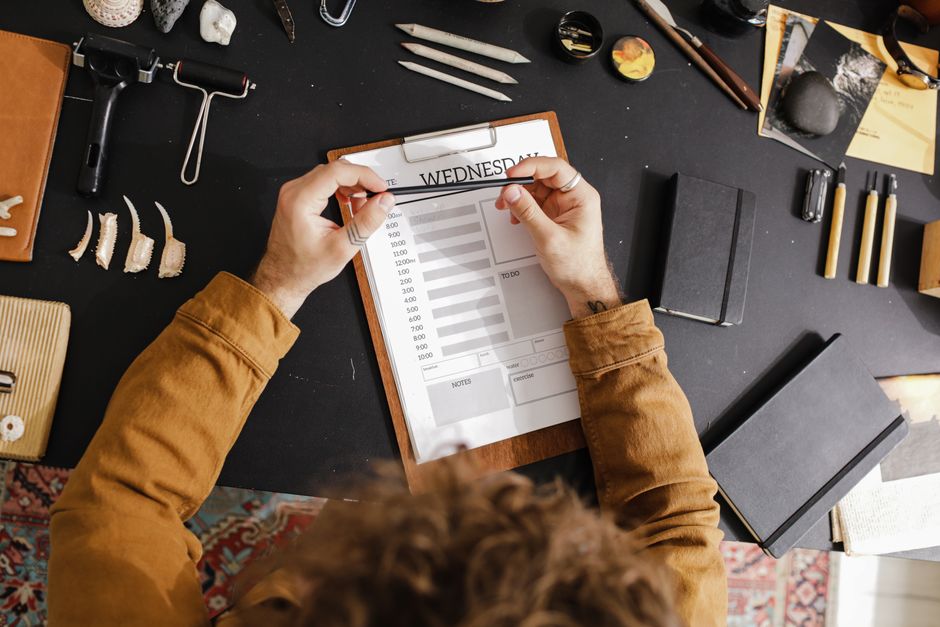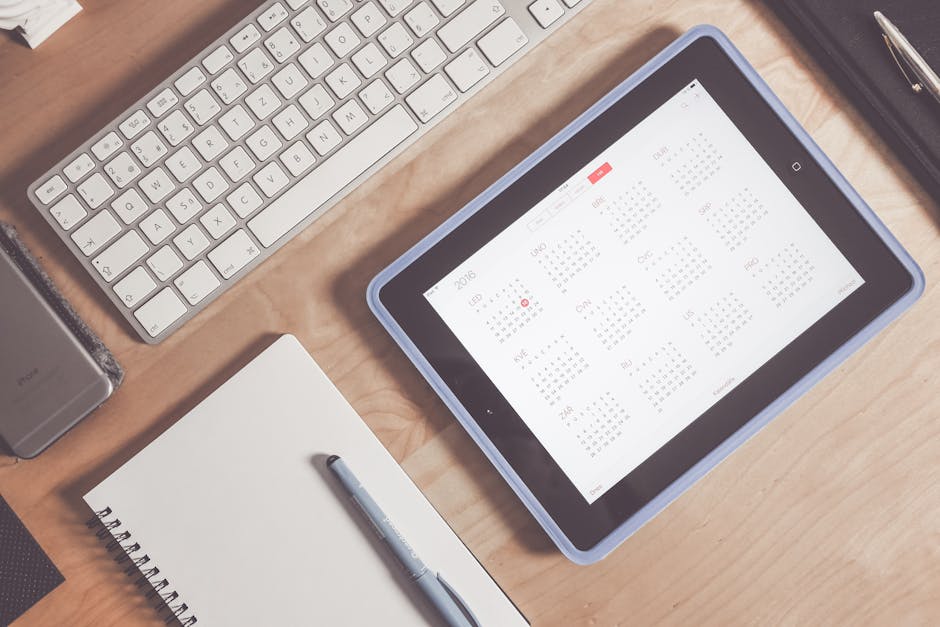
At 10:15 AM on a Tuesday, the desk is cluttered with a half-opened task notebook, a laptop screen filled with multiple tabs, and a coffee cup that has long gone cold. Each ping from the muted notification window pulls attention away from the intended focus block, creating a frustrating cycle of task switching that feels inevitable. With the clock ticking, the remote worker grapples with the overwhelming urge to check off items from the list, yet the scattered setup leads to more confusion than clarity.
As the minutes slip by, the desk surface does not match the task sequence. The act of desk planning becomes a missed opportunity to streamline focus, leaving the worker caught in a loop of divided attention that stifles effective studying.
The Task List Overflows
The desk is a chaotic blend of open tabs on the laptop screen, each vying for attention, while the task notebook lies open with a long list of unfinished tasks. It’s an ordinary weekday moment, and the remote worker feels the weight of the uncompleted items pressing down. Each unchecked box in the notebook feels like a nagging reminder of time slipping away.
During desk planning, the worker attempts to prioritize tasks but finds the sheer volume overwhelming. A quick glance at the muted notification window reveals more distractions lurking just out of sight, further complicating the workflow. The decision to close unused tabs seems obvious, yet the urge to keep everything open for a quick reference leads to more confusion. As the clock ticks, the desk surface does not match the intended task sequence, making it difficult to settle into a focused block. This scattered approach ultimately hinders effective studying, leaving the worker in a cycle of task switching that feels nearly impossible to escape.
Where Focus Begins to Slip
A slightly different version of this problem appears in Managing Energy Not Time, where the sequence changes but the hidden drag feels familiar.
At the desk, the remote worker’s attention is suddenly yanked away by a notification ping from the task management app. With a quick flick of the wrist, the mouse hovers over the notification, and the email expands, revealing a new request for information. The decision to check the email, while seemingly harmless, initiates a cascade of task switching that disrupts the intended focus block.
As the clock ticks closer to the deadline, the worker juggles multiple tabs, each one vying for attention. The muted notification window now feels like a ticking time bomb, hinting at further distractions. The immediate consequence of this scattered attention is clear: the worker finds it increasingly difficult to regain momentum, as each task feels like starting from scratch.
Why Attention Splits Happen
If this pattern keeps repeating, Focus Without Burnout extends the idea without leaving the niche.
On a typical weekday, the remote worker sits at a cluttered desk, surrounded by an array of open tabs on their laptop, each one representing a different task. Instead, the worker's eyes dart to the email tab, where a new message has just arrived. This moment of distraction, while seemingly innocuous, triggers a chain reaction of task switching that pulls focus away from the original goal.
As the worker clicks on the email, they inadvertently dilute their attention. The task list now feels overwhelming, with each new request demanding immediate action. The muted notification window, once a helpful tool, becomes a source of anxiety, reminding them of what’s left undone. Each switch from one task to another not only consumes time but also creates cognitive overload, making it harder to regain the initial focus. To counteract this, the worker could close unused tabs before starting a focused block, ensuring the desk surface aligns with the intended task sequence. However, the hidden tradeoff here is the temptation to keep everything open, believing it will save time later. A Simple Adjustment to Regain Focus On a typical weekday afternoon, the desk is cluttered with open tabs, each one vying for attention. As the remote worker glances at the screen, the temptation to check emails pulls them away from the focused block they had planned. With each click, the surface of the desk feels increasingly chaotic, mirroring the scattered thoughts in their mind.
To regain focus, a simple adjustment can be made: close unused tabs before diving into the work session. This small act clears the digital clutter, allowing the worker to concentrate on the task at hand. Additionally, setting one muted notification window for essential alerts can help manage distractions. By prioritizing which notifications to keep active, the worker can ensure that only critical updates break their concentration. However, the tradeoff remains—leaving tabs open feels like a safety net for future tasks, yet it often leads to a cycle of interruptions that hinders productivity. Carrying the Adjustment Forward After closing those unused tabs, the desk surface feels less chaotic, and the worker can now align their focus with the task at hand. This clarity allows them to push through the work session without the nagging pull of unread emails or other notifications.
As the minutes tick by, the worker notices a distinct difference in their workflow. Only after hitting 'send' do they allow themselves to check the email, a reward for maintaining focus.
With the desk now reflecting their organized approach, they realize that the ongoing benefit of this adjustment is not just about completing tasks but also about enhancing their overall workflow habits. The once overwhelming task list feels less daunting, as each focused block leads to clearer, more productive sessions. However, the temptation to leave tabs open still lingers, a reminder of past habits that can easily resurface if not actively managed.
As the remote worker sits down with their task notebook open, the clutter of multiple tabs still looms in the background, each one a potential distraction. They glance at the unread email notification blinking in the corner of their screen, a subtle reminder of the divided focus that can derail even the best-laid plans. The desk, now organized with only the essential materials—laptop, notebook, and a single pen—creates a clearer path for attention.
To combat this, they decide to mute the notification window, a simple yet effective move to keep distractions at bay. This small adjustment allows them to dive into their focused block without the constant pull of incoming alerts. By prioritizing the task at hand and keeping the desk setup aligned with their goals, they can better manage their attention. The next time they sit down, they’ll remember to close any tabs that are not immediately relevant, ensuring that their environment supports their studying efforts rather than hinders them.