The calendar sidebar is filled with color-coded blocks for focused work sessions, yet the energy to dive into deep work seems to evaporate as the afternoon slump begins. It's a familiar scene: good intentions of productivity collide with the reality of task switching.
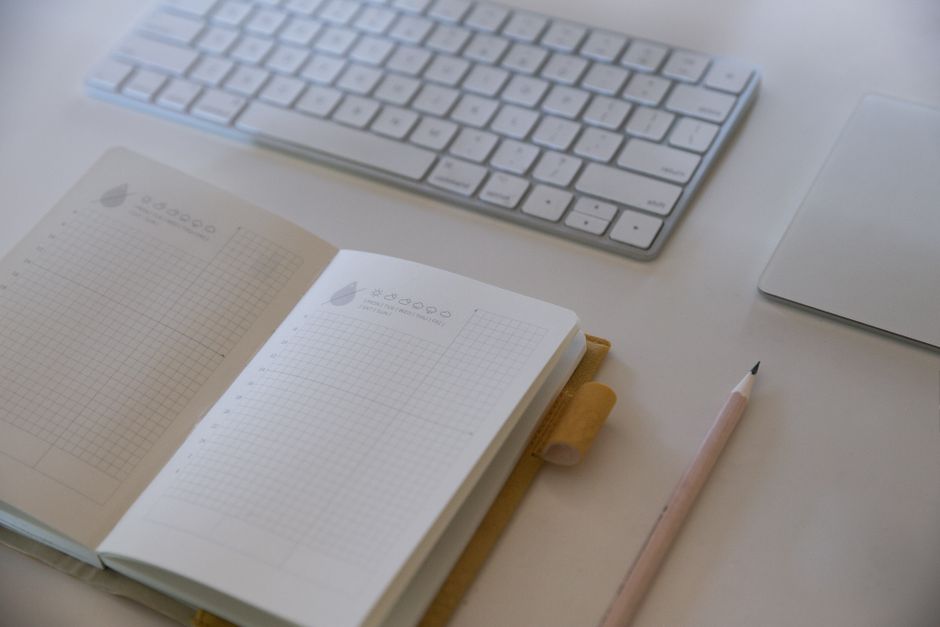
The desk setup, designed for efficiency, often becomes a source of friction. A quick glance at the screen reveals a jumble of reminders and half-finished tasks, each vying for attention. This split attention not only derails the work session but also highlights a missed step in planning—muting notifications before the focus block begins. Without this simple action, the carefully laid plans for studying with limited time dissolve into chaotic multitasking, leaving the office worker grappling with the same cycle of distraction.
The Routine That Should Work
The office worker sits at a cluttered desk, surrounded by a sea of open tabs and sticky notes that scream for attention. It’s a typical weekday afternoon, and the calendar sidebar glows with bright blocks of color, each representing a carefully planned focus session. Yet, as the clock ticks toward the dreaded afternoon dip, the intention to dive deep into studying slips away. Task switching becomes the default mode, with emails expanding and reports remaining unopened, all while the mind flits from one distraction to another.
In an ideal workflow, the worker would first mute notifications on their phone and computer, creating a barrier against interruptions. However, the desk setup doesn’t match this sequence. Instead of a clear path to productivity, the clutter invites chaos, making it easy to justify one more quick glance at the inbox. Without this crucial adjustment, the intended deep work session morphs into a fragmented experience, where each task feels half-finished and the energy to concentrate wanes.
Where the Breakdown Begins
The cluttered desk, littered with sticky notes and open tabs, becomes a battleground for attention. As the clock edges closer to the afternoon dip, the once-clear intention to focus on studying begins to fray. The screen flashes with notifications, each ping pulling the worker away from the task at hand. This constant barrage of alerts creates a split focus, where the mind is torn between the urgent and the important, leading to a familiar drift into task switching.
The desk surface, cluttered with papers and devices, does not support a smooth workflow. Instead of a clear sequence for tackling tasks, the environment promotes confusion, making it easy to justify checking one more email or scrolling through notifications. A simple but effective adjustment would be to mute all notifications before starting the work session, allowing for an uninterrupted focus block. Yet, this crucial step often gets overlooked amidst the distractions.
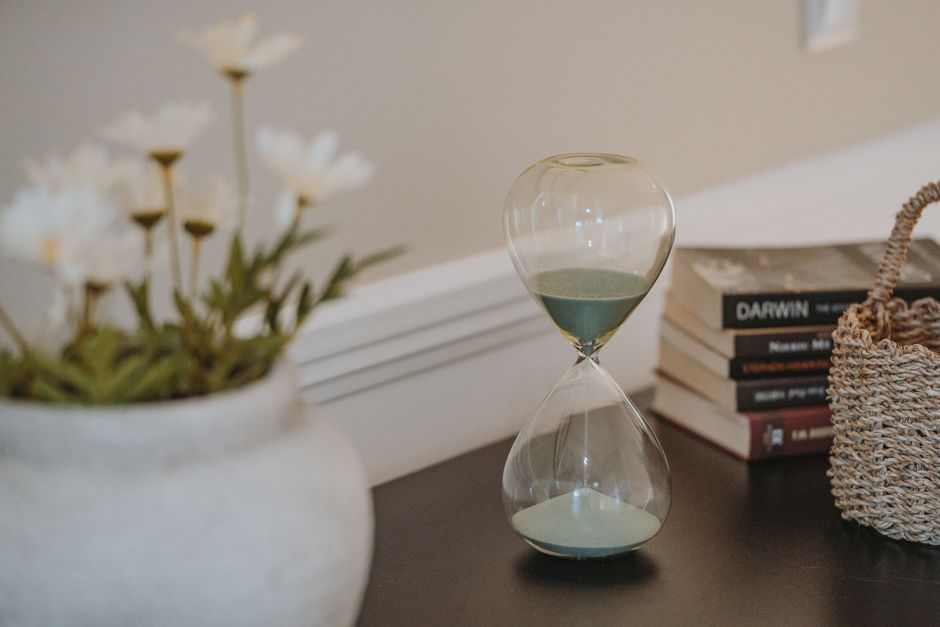
To regain control, consider setting a timer for a single focus block on the calendar. This creates a dedicated window for deep work, ensuring that the clutter on the desk doesn’t dictate the flow of productivity. The tradeoff here is clear: a moment spent organizing the workspace can lead to a more productive session, reducing the temptation to switch tasks mid-way.
Why Task Switching Repeats
As they prepare to dive into the task, the instinct to check email flares up, fueled by the constant notifications chiming from the phone. The desk, littered with papers and devices, offers no clear path to focus, making it all too easy to justify a quick glance at the inbox instead of sticking to the planned work session.
This habitual task switching stems from a hidden cause: the environment itself. Notifications serve as a relentless trigger, reminding the worker of tasks that seem urgent but are not necessarily important. To combat this, a practical check on the calendar can help. This small adjustment creates a defined space for deep work, yet the tradeoff remains; the clutter on the desk and the temptation to check emails can still undermine the effort. The desk setup must align with the task sequence to avoid falling back into the cycle of distraction.
A Small Correction That Holds Up
During a typical weekday, the clutter on your desk can easily pull your attention away from the task at hand. A stack of unopened reports sits to one side, while your email tab expands with new messages, each dinging notification a siren call. To maintain focus during your deep work block, a simple yet effective adjustment is to mute notifications on your devices. This small correction can significantly reduce the urge to switch tasks, allowing you to concentrate on the work session ahead.
- Mute notifications on your phone and computer to minimize distractions.
- Set a clear calendar block for uninterrupted work sessions, ideally at a time when you feel most alert.
- Ensure your desk surface is organized so that the tools for your current task are easily accessible.
By implementing these checks, you create a dedicated environment for focused work. When the calendar shows a block for deep work, take a moment to clear your desk of unrelated items. This not only aligns your physical space with your mental focus but also sets the stage for a productive session.
One Checkpoint That Matters
A slightly different version of this problem appears in Managing Energy Not Time, where the sequence changes but the hidden drag feels familiar.
Before diving into a work session, take a moment to clear your desk of unrelated materials. A cluttered surface can lead to a cluttered mind, especially when your attention is already split between tools and reminders. For instance, if your desk is littered with old reports, sticky notes, or even a half-drunk coffee cup, it becomes all too easy to get distracted by these items instead of focusing on the task at hand.
This creates a visual cue that reinforces your intention to stay on track. If the email tab is still open, it will likely expand with new messages, pulling your attention away. By committing to this single-task approach, you minimize the risk of task switching, helping you maintain your energy through the afternoon dip.
What Changes Once That Fix Repeats
If this pattern keeps repeating, Focus Without Burnout extends the idea without leaving the niche.
After clearing your desk, the shift in focus becomes palpable. The once cluttered surface, now free of distractions, allows your mind to settle into the task at hand. When you sit down for your next work session, the only visible item should be your calendar block, which clearly outlines your dedicated focus time.
In the past, you might have found yourself glancing at the email tab, waiting for new messages to pop up. Now, with notifications muted and the email tab closed, you can dive into your work without the constant temptation of task switching. The difference is striking: instead of feeling overwhelmed by scattered reminders, you experience a sense of clarity that propels you through the afternoon dip.
As you begin this focused block, check that your desk reflects your priorities. If your calendar shows a one-hour focus block, ensure that only the necessary materials are within reach. By consistently repeating this setup, you create a routine that not only enhances your workflow habits but also builds a stronger resistance to distractions in future sessions.
During those critical afternoon hours, the desk setup can make or break your focus. By placing only the materials for your current task within arm's reach, you minimize the temptation to switch gears. This simple action creates a more conducive environment for concentration, allowing you to protect your deep-work block.
As you prepare for your next focus session, take a moment to mute notifications on your devices. This small adjustment can significantly reduce distractions, ensuring that your attention remains on the task at hand.