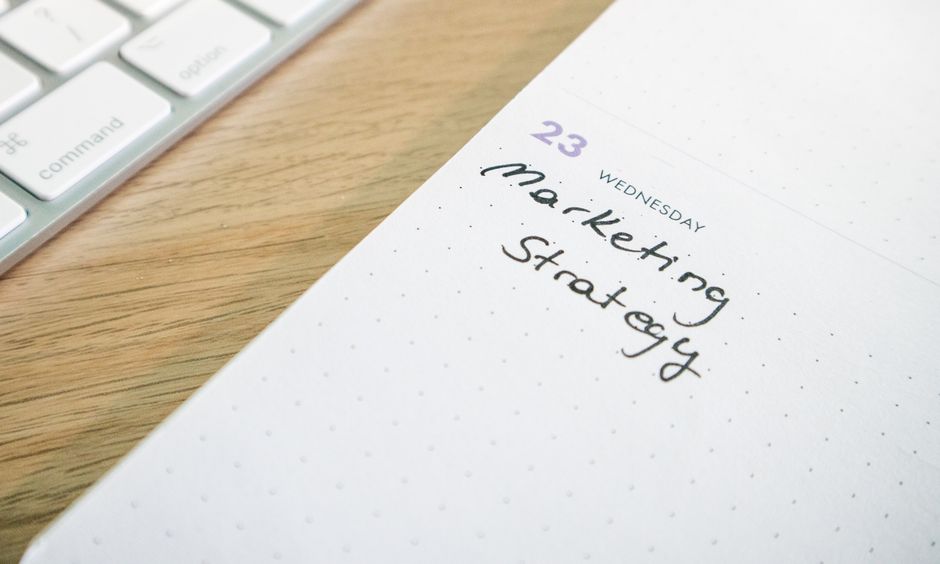
It’s a Wednesday afternoon, and the desk is cluttered with open tabs, a half-finished task notebook, and a muted notification window flashing reminders. A reminder popup steals the next ten minutes, and suddenly, your focus is fractured. The desk surface, littered with papers and a stray coffee cup, doesn’t match the mental clarity you need for effective studying. You glance at your calendar block, but the time you planned for focused work is slipping away.
As you attempt to regain your footing, the friction of task-switching becomes apparent. Each transition pulls your attention in different directions, with the desk setup failing to support your workflow habits. You realize that the sequence of tasks isn’t aligned with your goals; instead, it feels like a game of whack-a-mole, where every new notification or tab demands your attention. Closing unused tabs might help, but without a clear plan for desk organization, the same cycle of interruptions is bound to repeat.
The Default Desk Planning Routine
Most remote workers begin their day with a desk cluttered by multiple open tabs, a half-finished coffee cup, and scattered notes. This setup feels reasonable at first; after all, it’s easy to think that having everything visible will enhance focus. However, the reality is quite different. Each tab represents a potential distraction, and as you glance over at the task notebook, the sheer number of items on your calendar block can feel overwhelming. You planned for two hours of focused work, but the chaos around you makes it hard to dive in.
As you attempt to tackle your first task, a reminder popup steals your attention, costing you precious minutes. The desk surface, with its disarray, doesn’t support the mental clarity you need. You realize that switching tasks—moving from one tab to another—introduces unnecessary friction. Each transition requires a mental reset, and the clutter only amplifies that cost. Instead of a smooth workflow, you’re left feeling like you’re constantly playing catch-up. A simple adjustment, like closing unused tabs before starting a session, could streamline your focus, but without a clear desk planning strategy, those interruptions are likely to persist.
Where the Routine Starts to Fail
If this pattern keeps repeating, Managing Energy Not Time extends the idea without leaving the niche.
During a typical weekday, the desk surface can quickly become a chaotic mix of papers, devices, and open tabs. You sit down, ready to tackle your first task, but the clutter around you doesn’t match the focus you need. A reminder popup flashes on your screen, and before you know it, ten minutes have slipped away while you deal with a notification that could have waited. This moment of distraction highlights a critical friction point: the environment isn’t set up to support your workflow.
As you glance back at your task notebook, the sheer number of items on your calendar block feels overwhelming. You planned for a solid hour of focused work, but the reality is that task switching has become your default. Each time you click from one tab to another, you face the mental cost of resetting your focus. The desk surface, cluttered with remnants of previous tasks, only exacerbates this issue. You realize that without closing unused tabs or clearing away distractions, you’re not just losing time; you’re losing the mental bandwidth necessary to engage with your work.
To regain control, take a moment to close those extra tabs before starting a work session. This small adjustment can create a clearer mental space, allowing you to prioritize the tasks that truly matter. Yet, even with this shift, the weak point remains: when pressure mounts, the temptation to switch tasks can still derail your intentions. The friction of an unorganized desk and scattered focus habits creates a cycle that’s hard to break, leaving you feeling perpetually behind.
A More Effective Desk Planning Approach
This same friction shows up again in Focus Without Burnout, especially when the day tightens unexpectedly.
The clutter on your desk often mirrors the chaos in your mind, especially when you're juggling multiple tasks. Instead of diving into your work with all those tabs open, take a moment to close everything that's not essential. This simple act not only clears your screen but also helps you reclaim mental space. When you sit down with just one muted notification window open, you create a focused environment that minimizes distractions. This setup allows you to concentrate on the task at hand without the constant pull of alerts or visual clutter.
In contrast to the default method of task switching, where you might find yourself flitting between open tabs, this streamlined approach emphasizes a singular focus. By prioritizing your tasks on paper—perhaps in your task notebook—you can better visualize what needs to be done first. Start with the most pressing item and tackle it head-on, using a timer to keep your work session tight. This shift in order not only enhances your workflow but also reduces the friction caused by interruptions. As you become accustomed to this method, the temptation to switch tasks will diminish, allowing you to harness your limited time more effectively.
The Honest Tradeoff of Switching Methods
During a typical weekday, your desk is cluttered with open tabs, each one vying for attention. You glance at your task notebook, filled with reminders and deadlines, but the chaotic surface in front of you doesn’t match the focused sequence you need. Switching from one task to another feels effortless until you realize that a simple reminder popup has stolen the next ten minutes, pulling you away from your primary focus. This is where the default method of desk planning falters, as it encourages multitasking at the expense of deep work.
Adopting a more structured approach can feel restrictive initially. Closing those unused tabs and limiting yourself to one muted notification window may seem like a loss of flexibility. However, this upfront organization pays off by creating a focused environment that minimizes distractions. You might miss the thrill of juggling multiple tasks, but the clarity gained from concentrating on one item at a time is invaluable. As you prioritize tasks in your notebook and stick to a calendar block, you’ll find that the initial discomfort of reduced multitasking leads to a more efficient workflow. The tradeoff, while challenging, ultimately enhances your ability to manage limited time effectively.
Identifying the Right Moments for Change
During a crowded work block, the temptation to switch tasks can feel overwhelming. You glance at your task notebook, filled with notes and reminders, only to find that one reminder popup has stolen the next ten minutes. In this scenario, the default desk planning method often leads to chaos, as it encourages a fragmented approach to tasks. Instead, consider implementing a more structured desk planning strategy when you know distractions are most likely to strike.
For sessions that require deep focus, such as tackling a complex project or preparing for a presentation, it’s crucial to minimize task switching. Start by blocking your calendar for these focused work sessions. When you sit down at your desk, close all unused tabs and limit yourself to just one muted notification window. This small adjustment can significantly reduce the friction caused by constant interruptions. You might feel a sense of loss at first, but the tradeoff is a more streamlined workflow.
As you prepare for a deep work session, check your task notebook for the most pressing item and ensure it’s your only focus during that block. This clear prioritization helps create a dedicated space for your attention, allowing you to dive into your work without the nagging pull of other tasks. In the end, recognizing when to adopt this more effective desk planning method can transform your productivity during those critical moments.
As you navigate through your workday, the tension between good intentions and practical execution often surfaces in the form of task-switching. You may find yourself glancing at your task notebook only to be distracted by a reminder popup, stealing precious minutes from your focus block. This friction is exacerbated when your desk surface is cluttered with items unrelated to your current task, making it harder to maintain concentration.
To combat this, take a moment before diving into your next session to close all unused tabs and ensure your workspace reflects your priorities. Next time you sit down, check your desk setup: is everything aligned with your immediate focus? A quick glance can make all the difference in maintaining your workflow.