It’s a Wednesday afternoon, and the kitchen table is cluttered with a half-open laptop, scattered notebooks, and a steaming cup of coffee. Just as you start to focus, a Slack notification pops up, pulling your attention away. The longer you sit there, the more you feel the pressure of time slipping away, while the email tab sits ominously open, waiting for your next distraction.
In this crowded workspace, the mismatch between your desk planning and the tasks at hand becomes glaringly obvious. The browser tab row is filled with unopened documents, yet the notifications keep expanding, demanding your focus. You realize that moving those admin tasks to later in the day might help, but that decision gets lost in the shuffle of constant interruptions.
The Task List Grows, But the Surface Stays Cluttered
The kitchen table is a battlefield of open textbooks, crumpled papers, and a laptop displaying a browser with multiple tabs, each one a potential distraction. As the clock ticks past noon, the pressure mounts; the task list grows longer while the surface remains cluttered. The mismatch between your desk planning and the tasks at hand is palpable, as the clutter around you mirrors the chaos in your mind.
With every Slack ping, your focus wavers, and the unopened documents languish in the background. You realize that shifting those admin tasks to later in the day could clear some mental space, but the thought gets lost amidst the noise. The browser tab row fills with reminders of what’s left undone, while the email tab expands, demanding your attention. One muted notification window would help, but that small adjustment feels like a distant thought as you wrestle with the growing to-do list. The kitchen table, meant for meals, has become a catch-all for your academic ambitions, reflecting the struggle between intention and reality.
When Notifications Interrupt Focus
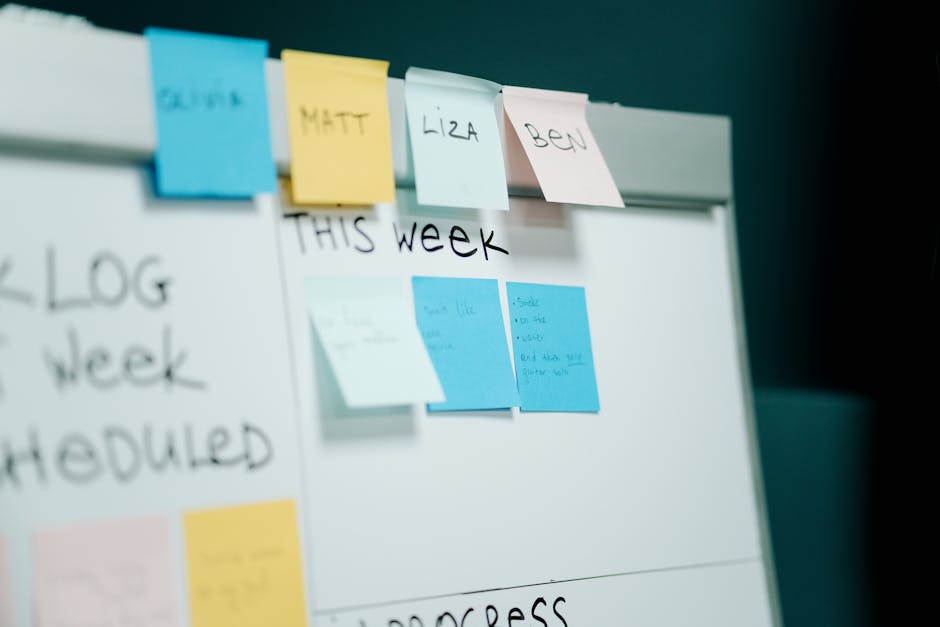
The kitchen table is cluttered with textbooks, a half-finished cup of coffee, and a laptop displaying a long list of tasks. The original plan was to block out an hour for deep work, but the constant interruptions fracture that time, making it feel like a distant memory.
You realize that moving those admin tasks, like responding to emails, to later in the day could free up your focus block. However, the thought is quickly overshadowed by another Slack ping. The calendar block you set for studying is slipping away, and the clutter on your desk reflects the chaos in your mind. One muted notification window could help streamline your focus, but it remains just an idea, lost in the noise of the moment. Why the Desk Planning Routine Breaks Down The kitchen table, cluttered with papers and a half-drunk cup of coffee, becomes a battleground for focus. As you attempt to dive into studying, the mismatched environment—distracting family members, the TV blaring in the background, and a phone constantly buzzing—pulls you in different directions.
With each new email that expands in your browser tab row, the mental load increases. You think about how moving those admin tasks to later in the day could help, but the urgency of immediate notifications keeps you tethered to the chaos. The original plan of a focused hour slips through your fingers as you juggle deadlines and distractions.
This same friction shows up again in Focus Without Burnout, especially when the day tightens unexpectedly.
Adjusting the Sequence: Moving Admin Tasks Later
The clutter on the kitchen table isn’t just physical; it’s a mental barrier to focused studying. To regain control, consider adjusting your desk planning routine.
- Create a dedicated calendar block for admin tasks, scheduling them for later in the day. This simple shift allows you to focus on studying without the nagging urge to check emails.
- During your study sessions, implement a muted notification window. By silencing alerts, you can prevent distractions from derailing your concentration. This means opening your email only after your focused study block is complete.
- Rearrange your task list: prioritize the report first and set a timer for 25 minutes. If you find yourself tempted to switch tasks, remind yourself that the admin tasks can wait until your focus block is done.
How One Change Transforms the Day's Workflow
If this pattern keeps repeating, Managing Energy Not Time extends the idea without leaving the niche.
Shifting admin tasks to later in the day can create a noticeable ripple effect on your productivity. By moving these admin tasks to a designated calendar block in the afternoon, you clear your mental space for deeper concentration.
Set a timer for 25 minutes, and during this time, resist the temptation to check your email.
The once overwhelming task list now feels manageable, and the kitchen table, once a chaotic workspace, transforms into a clear surface for the next steps. This sequence not only enhances your workflow but also reduces the friction that often disrupts studying with limited time.
When studying with limited time, the friction from constant task-switching can derail even the best intentions. Picture your kitchen table cluttered with open notebooks, a laptop displaying multiple tabs, and the persistent ping of Slack notifications.
To combat this, consider muting notifications during your focus block.
