It's an ordinary weekday afternoon, and the clutter on the desk reflects the chaos in your mind. You sit in front of your desktop monitor, a task list glaring back at you with more items than time available. Just as you’re about to open your working document, a reminder popup interrupts your thoughts, stealing the next ten minutes and scattering your focus. The mismatch between your work surface and task list feels overwhelming, making it hard to settle into a productive rhythm.
Before you can even start, the calendar check becomes a missed step. Instead of blocking out a focused session, you find yourself bouncing between tasks, each switch demanding more mental energy. The simple act of planning your desk time can slip through the cracks, leading to a disjointed workflow.
The First Decision That Gets Overlooked
Your desk is a battlefield of open tabs and scattered documents, each vying for your attention. With a glance at the desktop monitor, you see your task list stretching longer than the time you have available. Before diving into work, a familiar moment of hesitation creeps in. You know that the first decision—how to plan your desk time—will set the tone for the entire session. Yet, the clutter around you makes it hard to focus on that crucial choice.
As you sit there, the calendar check becomes a missed step. Instead of blocking out a focused session, you instinctively reach for the mouse to open another document, only to be interrupted again by a reminder popup. That distraction steals ten minutes, and now the pressure mounts. The mismatch between your work surface and task list grows more pronounced; you realize that without a clear plan, you’ll end up switching tasks repeatedly, each switch draining your focus further. This small oversight in desk planning can derail your entire workflow, leaving you feeling scattered and unproductive.
What Happens When You Skip Desk Planning?
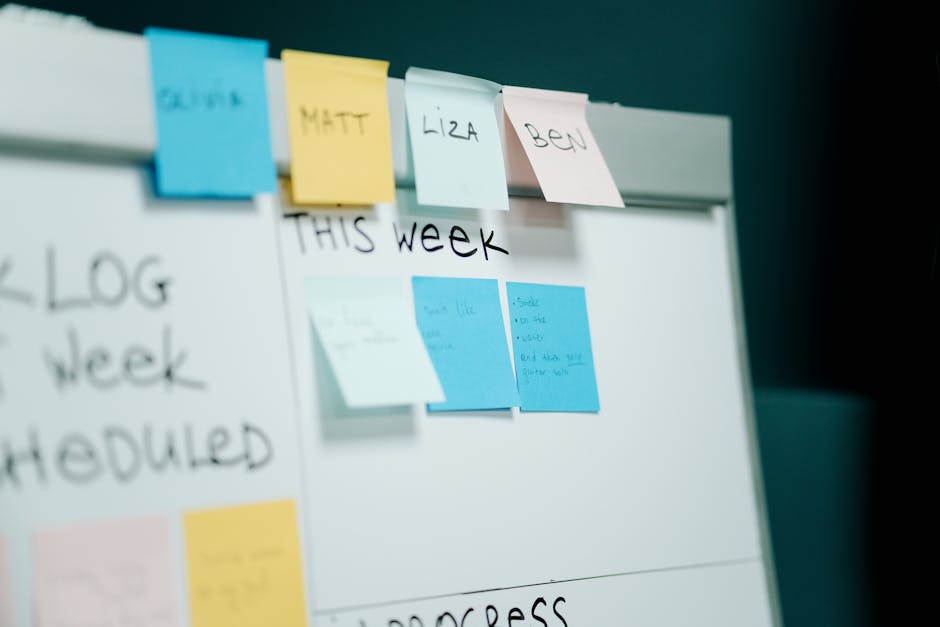
On a typical weekday, the clutter on your desk reflects the chaos in your mind. Papers are stacked haphazardly, and the desktop monitor edge is lined with sticky notes, each one a reminder of tasks waiting for attention. You glance at the calendar, but instead of blocking out a focused session, you feel the pull of immediate action. The temptation to dive into the next task is strong, so you click on a document without a clear plan. Almost instantly, a reminder popup interrupts you, stealing ten precious minutes as you scramble to dismiss it and refocus.
This moment of distraction reveals the consequences of skipping desk planning. As the clock ticks, you realize that important tasks are slipping through the cracks. The task list looms larger, and the mismatch between your work surface and your actual workload becomes glaringly obvious. You find yourself switching between tasks, each switch draining your focus and energy. The pressure mounts, and instead of making progress, you’re left feeling scattered and overwhelmed. Now, you’re left to navigate the chaos, wondering how to regain control over your day.
A Better Order for the Same Five Minutes
If this pattern keeps repeating, Managing Energy Not Time extends the idea without leaving the niche.
Instead of jumping straight into the next task, take a moment to check for any blocked focus sessions. This simple act can save you from the chaos of unplanned task switching. If you notice that your calendar has a focus block scheduled, you can mentally prepare for the tasks ahead.
Next, identify the top three tasks that you need to tackle during this session. Write them down on a sticky note and place it right next to your keyboard. This small adjustment helps clarify your priorities and keeps you anchored. However, if you skip this step, you might find yourself overwhelmed by the longer task list, leading to a tradeoff: while you might feel productive by starting immediately, the cost shows up later as you struggle to remember which tasks were most important. The pressure builds as you realize you’ve spent time on less critical tasks instead of making progress on what truly matters.
By taking just a few extra minutes to plan, you can avoid the frustration of feeling scattered. This brief moment of desk planning can transform your workflow habits, allowing you to focus your attention where it counts. When you sit down to work, your workspace is aligned with your workload, making it easier to dive into your tasks without the usual distractions.
What to Check Before the Phone Takes Over
This same friction shows up again in Focus Without Burnout, especially when the day tightens unexpectedly.
As you sit at your desk, staring at the cluttered screen filled with open tabs, the pressure mounts. A calendar notification pops up, reminding you of the next meeting, and suddenly, you're tempted to switch gears.
- Silence notifications on your phone to prevent interruptions from messages or app alerts.
- Set a timer for a 25-minute focused work session, a technique that helps maintain concentration and gives a clear endpoint.
- Consider closing one or two less urgent tabs on your browser to reduce visual clutter, making it easier to focus on your primary task.
By silencing notifications and setting a timer, you create a structured approach that holds up better on a crowded day. This small act of preparation can save you from the distraction of a reminder popup that steals the next ten minutes, allowing you to align your workspace with your workload. Before you open that working document, ensure your focus is locked in place for the next block of time.
The Outcome of Repeating Better Choices

When your desk is cluttered with open tabs and a long task list, the pressure to perform can feel overwhelming. Each time you check your calendar and see a looming deadline, the urge to switch tasks can derail your focus. However, by consistently making better choices, you can create a more organized workflow that fosters productivity. For instance, before diving into a focused work session, take a moment to close unnecessary tabs and prioritize your tasks. This simple act not only clears your screen but also mentally prepares you to tackle what's most important.
As you settle into your workspace, set a timer for a 25-minute focus block. This technique encourages you to commit fully to the task at hand, reducing the likelihood of task switching. The satisfaction of completing tasks on time builds momentum, reinforcing your ability to manage time effectively. When you finish a focus block, take a brief break, but avoid the temptation to check your phone. Instead, use that time to stretch or grab a drink, allowing your mind to reset without falling into the trap of distractions.
Over time, these small adjustments lead to a noticeable reduction in stress. An organized workflow means fewer moments of panic as deadlines approach. Each successful focus block becomes a building block for your productivity, creating a carry-forward effect that enhances your ability to manage future tasks. The cumulative impact of these better choices transforms how you approach your workday, leading to a more satisfying and less stressful experience. As you navigate through your tasks, remember that the environment you create and the choices you make directly influence your productivity levels.
As you sit at your desk, surrounded by a sea of open tabs and an overwhelming task list, it’s crucial to remember that even the smallest choices can significantly impact your focus. If you haven’t already, block out a specific focus block for your work. This simple act of scheduling not only sets a clear intention but also creates a physical and mental boundary that helps you resist the urge to switch tasks when distractions arise.
Consider the edge of your desktop monitor as a reminder of what needs attention. If a reminder popup steals your next ten minutes, it can derail your entire workflow. To counter this, ensure your focus block is visible on your calendar, and make it a habit to prioritize that time. By anchoring your work around these small, intentional choices, you can reclaim your productivity and manage your time more effectively, even when the pressures of limited time start to drift your attention.