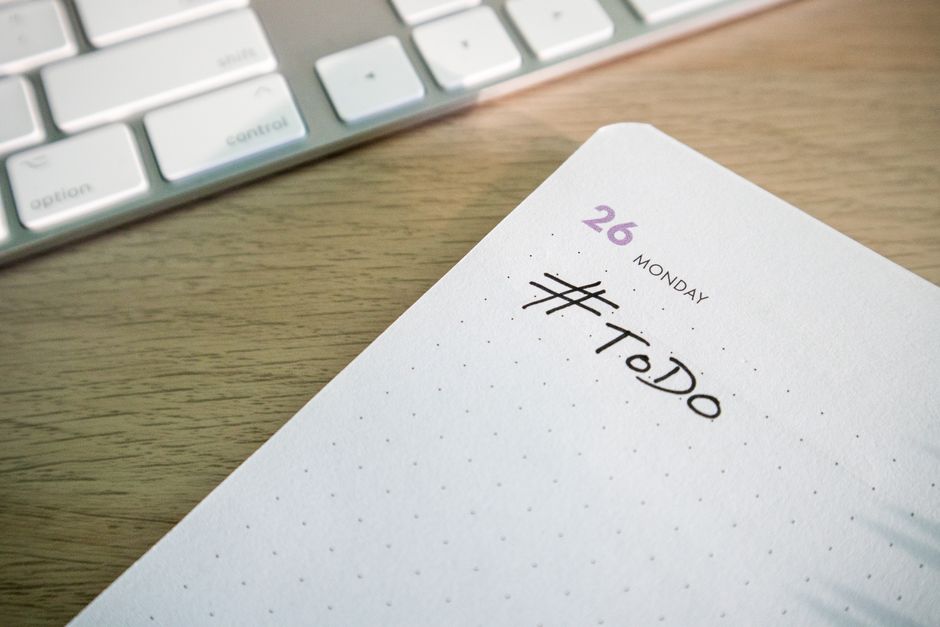
At the kitchen table, the laptop screen glows with an endless task list, each item demanding attention. A work session is underway, but the clock ticks ominously toward the afternoon dip, a time when focus tends to wane. Slack notifications ping with relentless regularity, each one a potential distraction that could derail the current flow. Closing the unused tabs feels like a small victory, yet the next task seems deceptively simple until the inevitable task switching begins. A reminder popup steals the next ten minutes, pulling attention away from the open textbook and into a web of notifications and emails.
Each interruption compounds the challenge of managing limited time effectively. The calendar block for studying looks pristine, but the reality is cluttered with distractions. The desktop monitor edge, once a boundary for focused work, now serves as a gateway for constant disruptions. When a new email arrives, it’s not just a message; it’s an invitation to shift gears, even if just for a moment. This friction point—where the task appears manageable but quickly becomes overwhelming—highlights a common pitfall in the daily workflow: the hidden costs of task switching that often go unnoticed until it’s too late.
The Default Study Routine: A Recipe for Overwhelm
Sitting at the kitchen table, the laptop screen glows with a long to-do list, each task promising a simple completion but often leading to chaos. The calendar block for studying looks inviting, a neatly scheduled hour, yet the reality is punctuated by the ping of Slack notifications and the relentless buzz of incoming emails. Each time a notification appears, it’s like a small weight added to an already heavy load, pulling focus away from the open textbook and into a web of distractions. The kitchen, once a space for meals and gatherings, transforms into a battleground for attention management.
As the work session unfolds, the initial sense of control quickly erodes. A reminder popup steals the next ten minutes, forcing a shift from studying to responding. This is where the hidden costs of task switching become painfully clear: what seemed like a straightforward task quickly spirals into a fragmented experience. Closing unused tabs feels like a small victory, but it does little to combat the interruptions. Each time the desktop monitor edge catches a glimpse of a new email notification, the temptation to switch gears becomes overwhelming. The task list, once manageable, now feels insurmountable, revealing the true nature of studying with limited time: the constant battle against focus disruption.
The Cracks in the Default Method: Why It Falls Short
At the kitchen table, the clock ticks steadily toward the afternoon dip, a time when focus naturally wanes. This interruption illustrates a crucial flaw in the default routine: the hidden costs of task switching.
As the task list grows longer, the initial momentum fades. Each time the focus block is interrupted, it becomes harder to regain the same level of concentration. The kitchen, once a haven for productivity, now feels like a trap, where every ping from a muted notification window pulls the mind away from the open textbook. The act of closing unused tabs becomes a futile gesture, as new distractions constantly emerge. This cycle of switching tasks creates a weak point under pressure, where the simplicity of studying with limited time turns into a fragmented experience.
This small adjustment can create a more conducive environment for focus. However, even with these measures, the underlying friction remains, as the temptation to switch tasks lingers, reminding us that the default method often falls short of maintaining a productive workflow.
A More Effective Approach: Streamlining Your Study Sessions
Mid-afternoon, the kitchen table is cluttered with textbooks, notebooks, and a laptop displaying a long list of tasks. The default routine, where tasks are tackled in a haphazard manner, often leads to a frustrating cycle of interruptions. The simplicity of studying with limited time is quickly overshadowed by the hidden costs of task switching, as every ping pulls attention away from the open textbook.
By designating a specific hour on the calendar as "Focus Block," it becomes a clear signal to both yourself and others that this time is off-limits for distractions. Before this block begins, close all unused tabs and mute notifications on your phone and laptop. This simple action reduces the temptation to check emails or messages, which can steal precious minutes. For instance, if a reminder popup steals the next ten minutes, that’s time lost that could have been spent diving deeper into the material.
In this alternative method, the setup is crucial. Place the textbook directly in front of your laptop, ensuring it’s the primary focus. This small adjustment not only minimizes visual clutter but also reinforces the intention to concentrate on one task. The act of closing unused tabs and muting notifications creates a more conducive environment, but the underlying challenge remains: resisting the urge to switch tasks when distractions arise. This tension highlights the need for continuous adjustments in how we approach studying with limited time.
The Tradeoff: Sacrificing Flexibility for Focus
This same friction shows up again in Managing Energy Not Time, especially when the day tightens unexpectedly.
Settling down at the kitchen table, the chaotic energy of the morning is still fresh, and the task list looms larger than the clock allows. The usual routine of studying often feels flexible, allowing for spontaneous breaks or quick email checks. However, this flexibility comes at a cost, particularly when interruptions from Slack notifications or unexpected emails disrupt focus. To counter this, consider adopting a more structured approach.
- Less flexibility in spontaneous tasks means you might miss out on immediate opportunities, like responding to a colleague's question that could streamline your project. This tradeoff can feel restrictive, especially when the kitchen table is your only workspace.
- Increased discipline is necessary to stick to your calendar blocks. If you plan a focused study session from 1 PM to 2 PM, resist the urge to check your phone or laptop. Closing all unused tabs and muting notifications beforehand can help maintain this discipline.
- What you give up with this method is the ability to adapt quickly to new tasks. While it might seem easier to juggle responsibilities, the hidden costs of task switching—like losing ten minutes to a reminder popup—can add up, making the structured approach worth it for the clarity it provides.
Ultimately, weighing these tradeoffs is essential. The challenge lies in finding the right balance between flexibility and focus, particularly during those critical afternoon hours when energy dips and distractions loom large.
When That Alternative Fits Better
A slightly different version of this problem appears in Focus Without Burnout, where the sequence changes but the hidden drag feels familiar.
Mid-afternoon, when the sun casts a slanting light across your kitchen table, is often the moment when your focus begins to wane. You glance at your task list, which seems to stretch endlessly, and consider how to make the most of your limited time. A calendar block from 1 PM to 2 PM is set for studying, but distractions lurk, ready to derail your efforts. Notifications from Slack and email pop up like unwelcome guests, each one stealing precious minutes and breaking your concentration.
Before diving into your work session, take a moment to close all unused tabs on your desktop monitor. This small action can create a clearer visual space, allowing your mind to focus on the task at hand. Mute notifications as well; having one muted window can significantly reduce the temptation to check for updates. If you find yourself distracted by a reminder popup, it might take ten minutes to regain your focus. This loss compounds, making it clear that a structured approach is not just about sticking to a schedule but about protecting your limited time from the hidden costs of task switching.
Consider this: when your energy dips, it’s not just about the tasks you have left; it’s also about how you manage your environment. The alternative of a more flexible approach might seem appealing, but it often leads to a cycle of interruptions and fragmented attention. By committing to your calendar block and preparing your workspace, you’re not merely adhering to a schedule—you’re actively choosing to safeguard your productivity during those critical hours.
As you sit at your kitchen table, the task list stretches longer than the time available, and the interruptions from Slack or email notifications become all too familiar. Each ping pulls your attention away from the work session you intended to focus on. Closing unused tabs on your desktop monitor edge can help minimize distractions, but the real challenge lies in managing your environment to support sustained focus. When energy dips in the afternoon, it’s crucial to have a plan in place that addresses not just the tasks at hand but also the hidden costs of task switching.
Take a moment to check your notification settings; even a single muted window can significantly decrease the temptation to check for updates. This small adjustment can lead to a more productive focus block, allowing you to navigate through your studies with limited time more effectively. Remember, it’s not only about what you’re studying but how you manage your attention that makes the difference in those critical hours.